Power distribution systems are the backbone of our modern electrical infrastructure. Have you ever wondered how electricity reaches every corner of our world? The secret lies in busbars. In this article, we’ll explore the critical role busbars play in efficiently distributing power. You’ll discover why copper is the preferred material and how it enhances system performance.
What is a Busbar?
Definition and Basic Function
A busbar is a metallic conductor used in electrical systems to collect, distribute, or transmit electrical power. It is typically made from highly conductive materials like copper or aluminum. Busbars come in various shapes and sizes, such as flat bars, strips, or tubular designs, depending on their application.
The basic function of a busbar is to distribute electrical power to different sections of an electrical system. For instance, in a power distribution panel, the busbar connects to multiple circuits, allowing electricity to be evenly distributed across them.
Types of Busbars
Copper Busbars: Copper busbars are highly preferred for their excellent electrical conductivity, corrosion resistance, and ability to handle high current loads.
Aluminum Busbars: While less conductive than copper, aluminum busbars are lighter and more affordable. They are often used in applications where weight is a significant factor, and the current load is lower.
Importance in Power Distribution Systems
Busbars are integral to efficient power distribution. They reduce the complexity of wiring, simplify maintenance, and can handle larger currents than typical wiring. Additionally, busbars improve the safety of electrical systems by minimizing the risk of overloads and fires.
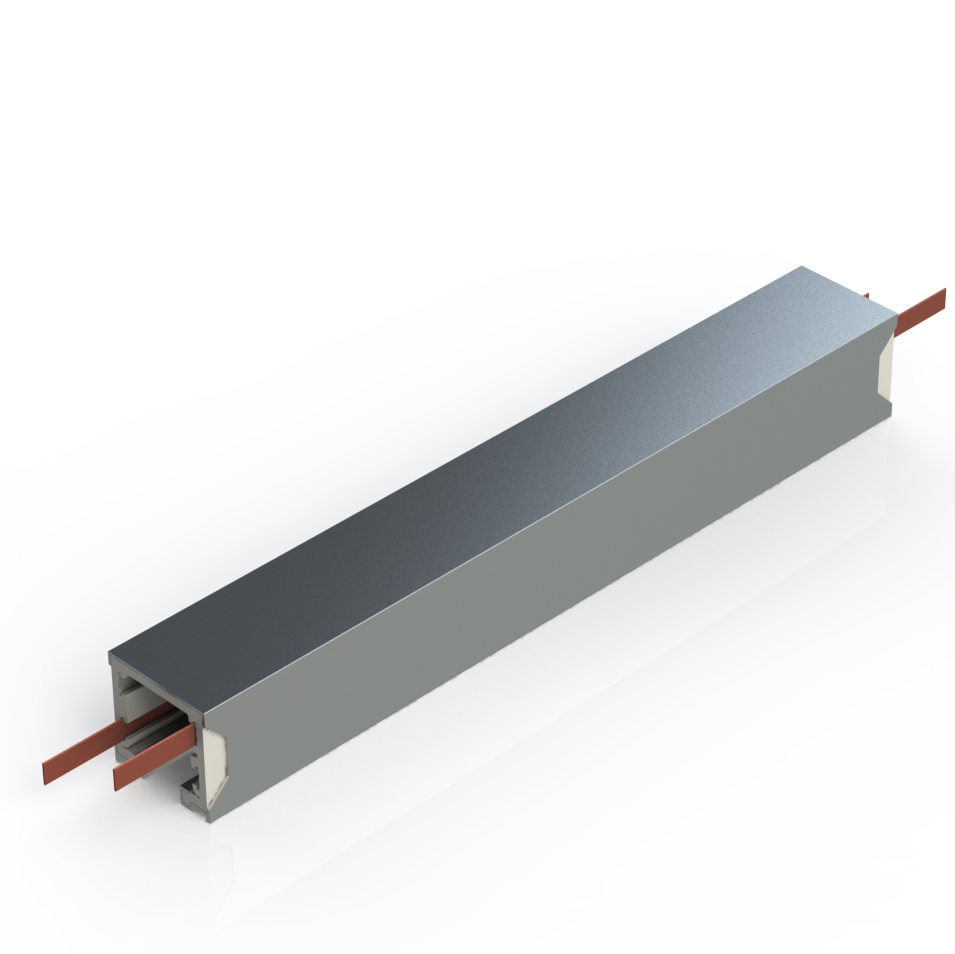
Why Copper is Preferred for Busbars
Superior Electrical Conductivity
Copper’s electrical conductivity is nearly twice that of aluminum, making it the ideal choice for high-current applications. This superior conductivity means that copper busbars can transmit electricity more efficiently with lower energy losses. This is crucial in large-scale power distribution systems where minimizing energy loss is essential for maintaining overall system efficiency.
Durability and Longevity
Copper is highly resistant to corrosion and oxidation, ensuring that copper busbars will last much longer than those made from less durable materials. In environments where temperature fluctuations or moisture may be present, copper maintains its integrity over time, providing a reliable power distribution solution.
Heat Dissipation
One of copper’s unique advantages is its excellent thermal conductivity. This allows copper busbars to dissipate heat generated from the flow of electricity, preventing overheating and ensuring stable operation even under heavy load conditions. This is particularly important in high-current applications where heat can become a significant issue.
Applications of Copper Busbars in Power Distribution
Industrial and Commercial Facilities
Copper busbars are widely used in industrial plants, factories, and commercial buildings to manage the power distribution needs of large systems. In such environments, copper busbars ensure that electricity is efficiently distributed to machinery, equipment, and other electrical systems.
Renewable Energy Systems
Copper busbars play a crucial role in renewable energy systems, such as wind and solar power installations. In wind turbines, copper busbars connect the generator to the power grid, enabling the efficient transfer of electricity. Similarly, in solar energy systems, copper busbars collect the electricity generated by the panels and direct it to inverters and battery storage.
Electric Vehicles (EVs) and Charging Infrastructure
Copper busbars are vital in electric vehicles (EVs) for managing the power flow between batteries, motors, and charging stations. With EVs requiring efficient and reliable electrical systems to optimize performance, copper’s superior conductivity ensures that the vehicles operate with minimal energy loss and maximum efficiency.
Data Centers and High-Tech Facilities
In data centers, copper busbars provide reliable power distribution to the massive infrastructure of servers and networking equipment. Data centers require a constant and uninterrupted power supply, and copper busbars ensure that the electrical systems can handle the high power demands without failure.
Copper vs. Other Busbar Materials
Copper vs. Aluminum
Conductivity: Copper offers nearly twice the conductivity of aluminum, making it the better choice for high-current systems.
Cost: While copper is more expensive, its efficiency and durability provide long-term cost savings by reducing energy loss and increasing system lifespan.
Durability: Copper resists corrosion better than aluminum, offering longer service life in most environments.
Weight: Aluminum is significantly lighter, which makes it more suitable for applications where weight is a primary concern.
Why Copper Wins in High-Current Applications
Copper’s combination of high electrical conductivity, durability, and heat management makes it the preferred choice in high-current applications such as power plants, renewable energy systems, and industrial facilities. While aluminum busbars may offer a cost advantage in specific scenarios, copper is generally the superior material when reliability and performance are paramount.
| Aspect | Copper Busbar | Aluminum Busbar |
| Electrical Conductivity | Superior conductivity, reduces energy loss | Lower conductivity, more energy loss |
| Durability | Highly resistant to corrosion and wear | Less durable, more prone to corrosion |
| Heat Dissipation | Excellent thermal conductivity, prevents overheating | Lower thermal conductivity, prone to heat build-up |
| Weight | Heavier | Lighter |
| Cost | Higher initial cost | More affordable |
| Efficiency | Higher efficiency in high-current systems | Suitable for lower current applications |
| Applications | Industrial, renewable energy, EVs, data centers | Aerial power lines, lower-demand systems |
| Maintenance | Lower long-term maintenance | Higher maintenance due to corrosion and wear |
Design Considerations for Copper Busbars
Size and Configuration
The size and configuration of a copper busbar depend on the amount of current it must carry and the available space for installation. The cross-sectional area of the busbar must be large enough to handle the current without excessive heating. The busbar’s shape and configuration can vary, with flat or rectangular shapes being common in large systems, while round busbars are often used in confined spaces.
Customization Options
Copper busbars can be customized to fit specific project requirements. Factors such as current capacity, space constraints, and environmental conditions determine the ideal design. Custom options include different plating finishes (like tin or silver), insulation coatings, and specific dimensions for ease of installation.
Fabrication and Manufacturing Processes
The manufacturing process for copper busbars typically involves cutting, bending, drilling, and finishing the copper to the required specifications. This can be done using various techniques, including shearing, laser cutting, and CNC machining, ensuring precise dimensions and smooth edges for easy integration into electrical systems.
Cost Considerations in Choosing Copper Busbars
Initial Costs vs. Long-Term Benefits
Copper busbars typically have a higher upfront cost than aluminum alternatives, primarily due to the higher price of copper. However, copper’s superior conductivity and durability lead to long-term cost savings. Copper busbars reduce energy losses, lower maintenance costs, and offer a longer lifespan, making them a more cost-effective solution in high-demand applications.
Cost-Effective Alternatives
In certain situations, such as less demanding environments or where weight is a critical factor, aluminum busbars may be a more affordable alternative. However, for high-current applications or systems where long-term reliability is crucial, copper remains the superior choice despite its higher initial cost.
Conclusion
Copper’s excellent conductivity, durability, and heat dissipation make it the preferred choice for busbars in power distribution systems. From industrial settings to renewable energy applications, copper ensures efficient power transfer, minimizing energy loss and prolonging system lifespan.
When choosing busbars, consider factors like current capacity and environmental conditions. For high-performance, high-current needs, copper’s long-term benefits often outweigh its initial cost, ensuring reliability and reducing maintenance costs.
Wenzhou Hongmao offers high-quality copper busbars, delivering reliable power solutions that meet your project needs. Their products provide long-lasting value in demanding electrical systems.
FAQ
Q: What is a busbar in power distribution systems?
A: A busbar is a conductive strip or bar used to distribute electrical power across circuits in power distribution systems.
Q: Why is copper preferred for busbars?
A: Copper busbars offer superior electrical conductivity, durability, and heat dissipation, making them ideal for high-performance applications.
Q: How do copper busbars improve power efficiency?
A: Copper’s excellent conductivity minimizes energy loss, ensuring more efficient power transmission in industrial and commercial systems.
Q: Are copper busbars more expensive than aluminum?
A: Yes, copper is costlier than aluminum, but its long-term benefits, like durability and higher efficiency, justify the investment.
Q: In what applications are copper busbars most commonly used?
A: Copper busbars are used in industrial facilities, renewable energy systems, electric vehicles, and data centers for reliable power distribution.

