Are you tired of dealing with tangled wires and inefficient lighting systems? A lighting busbar system could be the solution.
In this article, we will explore how to install a lighting busbar system. You'll learn about its benefits, key components, and why proper installation is crucial for performance and safety.
Introduction
Overview of Lighting Busbar Systems
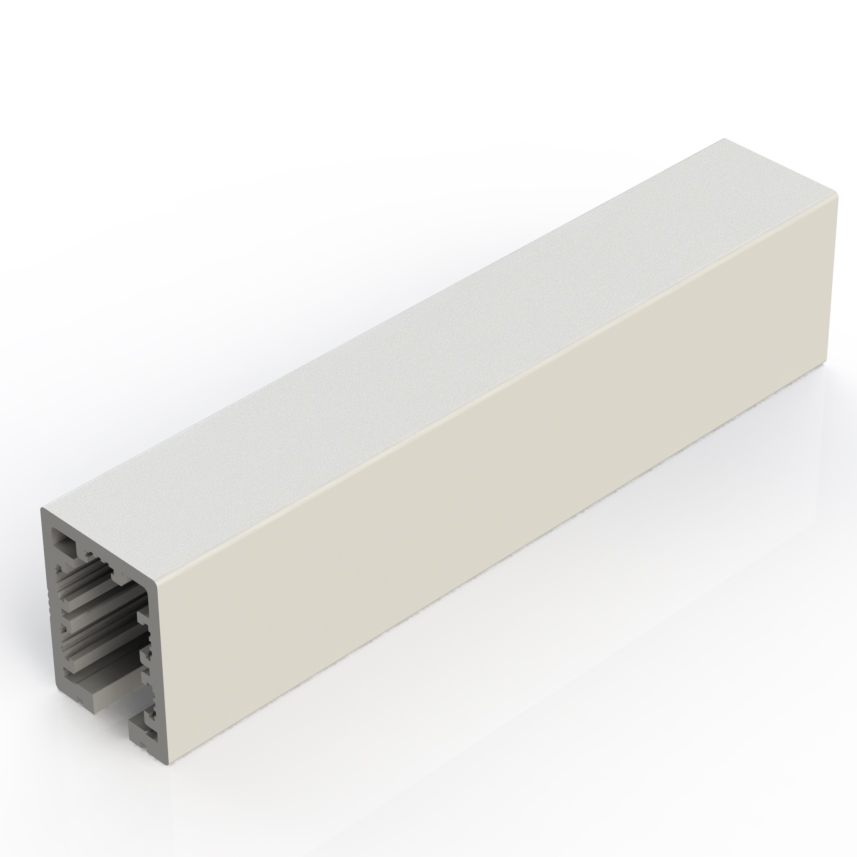
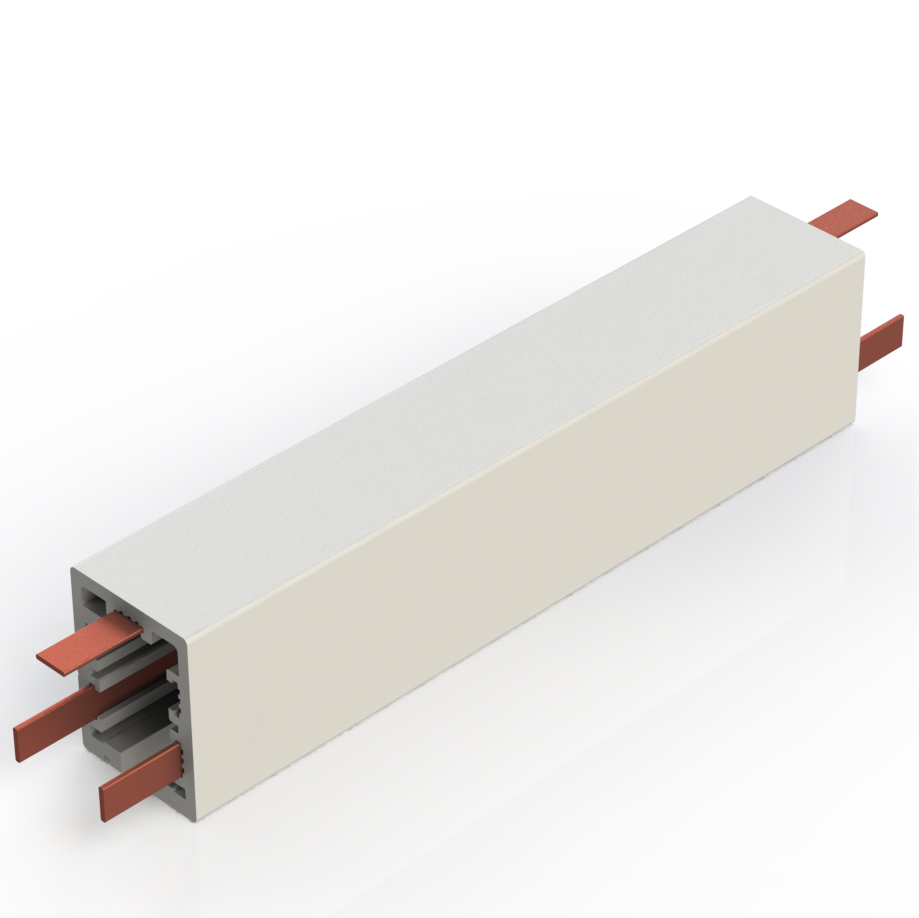
A lighting busbar is a modern electrical distribution system that allows for efficient and flexible power delivery to lighting fixtures and low-power electrical devices. Unlike traditional wiring methods, busbar systems use conductors that are housed in a sturdy, insulated framework. This structure helps distribute electricity to multiple lighting points through one central path, making it ideal for large spaces or complex electrical setups.
Benefits of Lighting Busbars
Lighting busbars come with a variety of benefits, which make them a popular choice for commercial, industrial, and residential lighting systems:
Energy Efficiency: Lighting busbars reduce power loss by using efficient conductors such as copper or aluminum, ensuring that the electricity is delivered with minimal resistance.
Fast Installation: Compared to conventional wiring, installing a lighting busbar is faster and easier, saving valuable time and reducing labor costs.
Modular Design: The modular nature of lighting busbars makes it easy to add, remove, or move light fixtures without disturbing the entire system. This flexibility is particularly useful in dynamic environments like office spaces or retail stores.
Safety Features: Built-in insulation and grounding help prevent electrical shocks and short circuits, ensuring the safety of both the system and its users.
Why Proper Installation Matters
A properly installed lighting busbar system is essential to maximizing its lifespan, minimizing risks of electrical failures, and ensuring compliance with safety standards. Incorrect installation can lead to overheating, inefficiency, or even system failure. Therefore, proper installation not only enhances the reliability of the system but also ensures that it operates safely over its expected lifespan.
Understanding the Components of a Lighting Busbar System
Key Parts of a Lighting Busbar
Busbars: The core component of the system, made of conductive materials like copper or aluminum. They carry the electrical current from the power source to various connection points.
Insulating Layers: These layers protect the busbars and prevent accidental contact with live electrical components. They also help to reduce the risk of short circuits.
Conductive Strips: Made from copper or aluminum, these strips ensure minimal energy loss while allowing electricity to flow efficiently through the system.
Modular Design: The modular design of lighting busbars allows for easy additions and alterations to the system, making it ideal for spaces where lighting needs are likely to change.
How Lighting Busbars Function
Power Distribution: The lighting busbar system distributes electrical power from the source to multiple fixtures, reducing the complexity of wiring.
Energy Efficiency: Thanks to their low-resistance materials, lighting busbars allow electricity to flow with minimal loss, making them highly energy-efficient compared to traditional wiring systems.
Flexibility and Expansion: Lighting busbars can easily be expanded or adapted to meet changing needs, such as adding more lighting fixtures or reconfiguring existing ones.
Preparing for Lighting Busbar Installation
Site Preparation and Planning
Before installing a lighting busbar system, it is essential to assess the installation site thoroughly. Here are a few key considerations:
Assessing the Space: Ensure the space is clean, dry, and clear of obstructions. This is crucial for easy access during installation and for proper functioning of the busbar system.
Layout Considerations: Plan where each light fixture will be located and how the busbar will run through the space. Ensure that there is enough clearance around the busbar to prevent overheating.
Lighting Requirements: Take note of the total wattage required for the lighting system and ensure the busbar is capable of handling the load.
Tools and Equipment Needed
To ensure a successful installation, gather the following tools and equipment:
Safety Gear: Insulated gloves, safety goggles, and other personal protective equipment (PPE).
Mounting Brackets: For securing the busbar to walls or ceilings.
Connectors and Screws: To ensure stable connections between busbar sections and lighting fixtures.
Measuring Tools: A measuring tape, level, and ruler for accurate placement of the busbar.
Step-by-Step Guide to Installing a Lighting Busbar System
Step 1: Planning the Layout
Determine Fixture Placement: Before starting installation, decide where the light fixtures will be located. This will dictate the path the busbar will take.
Plan Cable and Connector Placement: Map out the locations for the busbar connectors to ensure an efficient and tidy layout.
Step 2: Mounting the Busbar System
Install Brackets and Secure the Busbar: Mount the brackets securely on the walls or ceilings and fasten the busbar sections to these brackets. Use a level to ensure the busbar is aligned properly.
Ensure Stability and Proper Alignment: Double-check that all connections are tight and that the busbar is stable and correctly aligned for optimal performance.
Step 3: Connecting Fixtures and Power Supply
Attaching Light Fixtures to the Busbar: Use the appropriate connectors to attach light fixtures to the busbar. Ensure the connectors are tight and secure to avoid any loose connections.
Wiring the Busbar to the Power Source: Connect the busbar to the electrical power source, ensuring that the voltage and current specifications match the system’s requirements.
Safety Considerations During Installation
Electrical Safety
Ensure the Power is Off: Always turn off the power before beginning installation to prevent the risk of electric shock.
Use Insulated Tools and Equipment: Insulated tools help protect you from accidental contact with live components.
Proper Grounding and Earthing: Ensure that the busbar is properly grounded to prevent electrical hazards.
Fire and Shock Prevention
Installing Circuit Breakers and Fuses: Circuit breakers and fuses are essential for protecting the system from overloads and short circuits.
Ensuring Adequate Insulation: Use sufficient insulation around the busbar and connections to minimize the risk of electrical faults.
Post-Installation Testing and Verification
Electrical Testing
Verifying Voltage Levels and Continuity: Use a multimeter to check the voltage levels and ensure that the busbar is distributing power correctly to the fixtures.
Ensuring Proper Connection and Functionality: Test all connections to confirm that everything is working as expected and there are no loose or faulty connections.
Thermal Monitoring
Checking for Overheating: Overheating can damage the busbar system. Use thermal sensors or infrared cameras to monitor temperature levels.
Using Thermal Sensors or Infrared Cameras: These tools help detect hotspots that might indicate a malfunction or inefficiency in the system.
Maintenance and Troubleshooting of Lighting Busbar Systems
Regular Inspection and Cleaning
Checking for Loose Connections: Regularly inspect the system for any loose connections that could lead to power loss or safety hazards.
Cleaning Dust and Debris from Components: Keeping the busbar clean helps ensure its efficiency and longevity.
Fixing Common Issues
Troubleshooting Connection Problems: If there’s a loss of power, check all connections for tightness and inspect for any faulty components.
Replacing Defective Fixtures: If any fixtures are not functioning properly, replace them with new ones to avoid electrical issues.
Topic
Description
What is a Lighting Busbar?
A lighting busbar system is a modern power distribution solution that delivers electricity efficiently to lighting fixtures through a centralized, insulated path.
Key Benefits
Energy efficiency, faster installation, flexibility for future modifications, and easy maintenance.
Installation Process
Plan layout, mount securely, connect fixtures, and test functionality for safety and performance.
Why Proper Installation Matters
Ensures optimal performance, safety, energy efficiency, and longevity of the system.
Maintenance
Regular inspection for loose connections and cleaning to maintain efficiency and longevity.
Conclusion
Installing a lighting busbar system requires careful planning and precise measurements. Key steps include site assessment, secure mounting, fixture connections, and testing. Proper installation ensures energy efficiency, easy maintenance, and flexibility for future changes. Wenzhou Hongmao’s lighting busbars provide value with their energy-efficient designs and reliable performance. Ensure your system is installed correctly for long-term efficiency and safety. For expert help and top-quality products, Wenzhou Hongmao is the trusted choice.
FAQ
Q: What is a lighting busbar system?
A: A lighting busbar system is an electrical distribution system that delivers power to lighting fixtures through a central, insulated path, offering energy efficiency and flexibility.
Q: How do I install a lighting busbar system?
A: To install a lighting busbar, plan the layout, mount the busbar securely, connect the fixtures using connectors, and ensure proper testing for functionality and safety.
Q: Why is proper installation of a lighting busbar important?
A: Proper installation ensures energy efficiency, reduces the risk of failures, and maintains safety, optimizing the busbar system’s performance and longevity.
Q: What are the benefits of using a lighting busbar system?
A: Lighting busbars offer energy efficiency, faster installation, easy maintenance, and modularity, allowing for future expansion or modifications.