Introduction
Copper Busbars are crucial for efficient power distribution in modern electrical systems. They act as a central hub, connecting circuits and ensuring smooth power flow.
This article will explore the purpose, functionality, and applications of Copper Busbars, showing how they simplify wiring and enhance system efficiency across various industries.
Understanding Copper Busbar
Functionality and Purpose
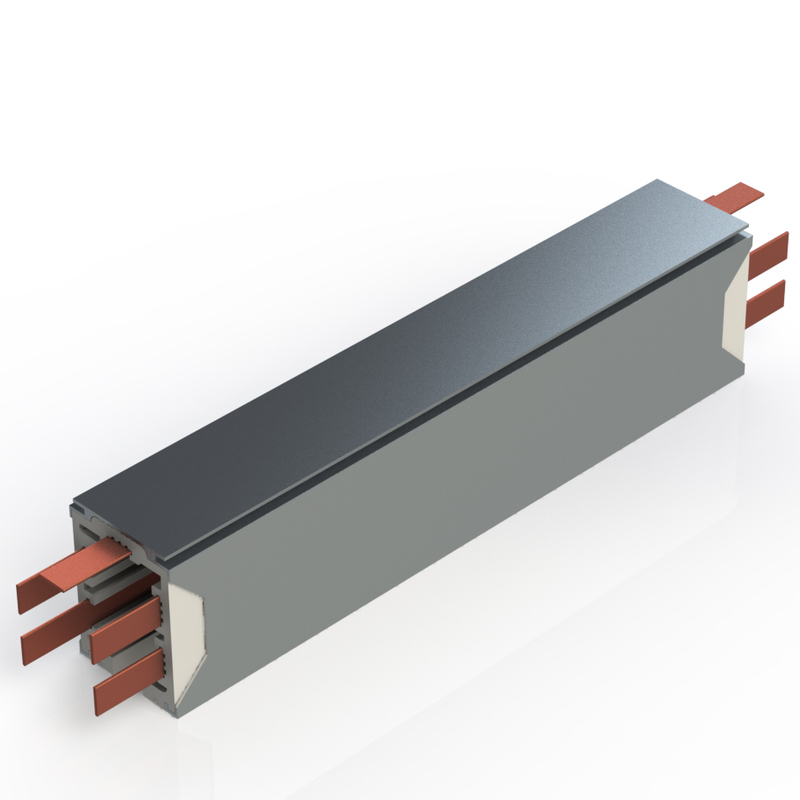
A Copper Busbar is a solid metallic conductor used to efficiently distribute electrical power. It consolidates multiple electrical circuits into a single connection point, simplifying complex systems. Copper busbars handle high electrical currents and ensure safe and reliable power distribution in industrial, commercial, and utility applications.
Material Choices
Copper is the top choice for busbars due to its excellent electrical conductivity. Compared to alternatives like aluminum, copper offers better conductivity, reducing energy loss and increasing system efficiency. It also resists oxidation, making copper ideal for long-term, high-power applications in various industries.
Applications of Copper Busbars
Common Copper Busbar applications include:
● Industrial Machinery: Copper busbars power machines in factories reliably and efficiently.
● Data Centers: Ensures stable power distribution to critical servers and equipment.
● Electrical Grids: Copper busbars are key in efficiently distributing electricity across substations and power distribution systems.
Components of Copper Busbars
Conductors
The conductor is the core of the Copper Busbar system. Copper is known for its exceptional electrical conductivity, ensuring minimal energy loss. This makes copper busbars ideal for high-current applications, where efficient power distribution is crucial. Copper’s ability to carry significant loads while maintaining optimal performance is a major factor in its widespread use.
Insulators
Insulators in copper busbars play a critical role in safety. They prevent short circuits and protect the busbar system from electrical surges. These insulators help maintain the integrity of the system, ensuring it operates without any unwanted disruptions. They are carefully selected based on their ability to resist electrical faults and environmental conditions.
Mounting Hardware
Proper support and fixtures are essential for securing Copper Busbar systems. Mounting hardware ensures the busbars stay in place and perform efficiently under heavy electrical loads. These components provide the necessary stability to prevent sagging or movement, which could affect the system’s reliability and safety.
How Copper Busbars Work
Current Distribution
Copper Busbars are designed to efficiently distribute electrical power across multiple circuits. Their low resistance ensures a smooth flow of electricity, crucial in high-load environments like industrial plants. By acting as the central conductor, they ensure power reaches all parts of the system without unnecessary resistance or loss, making them ideal for large-scale operations.
Minimizing Energy Losses
One of the significant benefits of using a Copper Busbar is its ability to minimize energy losses. Copper’s low resistance allows for a more efficient transfer of electrical power. Unlike traditional wiring, which can cause heat buildup and energy dissipation, copper busbars allow more electricity to reach its intended destination, increasing overall system efficiency and reliability.
Safety Features
To enhance safety, Copper Busbars are integrated with circuit breakers and isolators. These components provide fault protection by quickly disconnecting the system in case of electrical failures or overloads. This ensures that the power distribution system remains functional while preventing potential hazards, improving both safety and reliability.
Advantages of Copper Busbars
Simplified Power Distribution
Copper Busbars significantly simplify the power distribution process by reducing the need for complex wiring systems. In traditional wiring setups, multiple connections and extensive cables are required to connect various circuits, which can lead to errors, inefficiencies, and increased installation time. Copper busbars consolidate these multiple connections into a single, central point. This not only reduces the number of wires but also streamlines the entire electrical system, making it easier to install and maintain. As a result, the system becomes more reliable, with fewer points of failure and a reduced likelihood of system breakdowns. This simplicity makes Copper Busbars the perfect solution for complex installations, including those found in large commercial and industrial settings.
High Current Handling
One of the most significant advantages of Copper Busbars is their ability to handle large electrical currents without significant energy loss. Copper is an excellent conductor, which means it has very low electrical resistance, ensuring minimal heat generation and maximum efficiency. In high-power applications, such as industrial machinery, renewable energy setups, and utilities, copper busbars can safely manage the high current demands without the risk of overheating. This high current capacity is crucial in environments where power reliability is paramount, and any disruptions can cause significant operational issues. Copper Busbars ensure the safe and efficient delivery of electricity, supporting large-scale operations and critical infrastructure.
Space and Cost Efficiency
Copper Busbars offer excellent space efficiency compared to traditional wiring systems. In environments like data centers, industrial plants, and power distribution systems, space is often limited, and the compact design of copper busbars helps save valuable real estate. By reducing the need for large bundles of cables, they allow for a more organized and streamlined installation. Furthermore, even though the initial cost of Copper Busbars can be higher than traditional wiring, they offer long-term savings. Their superior conductivity and durability reduce energy losses, improve system performance, and minimize maintenance costs. The initial investment in copper busbars is offset by their ability to provide long-term cost benefits, making them a more cost-effective solution over the lifespan of the system.
Flexibility and Scalability
Another notable benefit of Copper Busbars is their flexibility and scalability. As energy demands grow or change, copper busbar systems can be easily expanded or adapted without the need for complex redesigns. This scalability is especially beneficial for industries that experience fluctuating power requirements, such as manufacturing plants or commercial buildings that may require additional circuits as they expand. Unlike traditional wiring, which often requires significant reworking to accommodate additional circuits or equipment, Copper Busbars offer an easy solution for adapting to growing power needs. This adaptability not only saves time and costs but also ensures that the system can keep up with future technological advancements or changing industry requirements.
By combining these advantages, Copper Busbars provide a reliable, efficient, and cost-effective solution for power distribution in a variety of high-demand environments.
Disadvantages of Copper Busbars
Initial Investment
One of the key drawbacks of Copper Busbars is the higher initial investment compared to alternatives like aluminum wiring. Copper is a more expensive material, and this higher upfront cost can be a deterrent for some projects, especially in budget-conscious environments. However, the long-term benefits, such as improved efficiency, lower maintenance costs, and reduced energy losses, often outweigh the initial expenses. Investing in copper busbars can provide greater value over time due to their durability and performance in high-current applications.
Complex Installations
Copper busbar systems, particularly those involving multi-busbar setups or specialized configurations like ring busbars, can complicate the installation process. These configurations require skilled labor and precise engineering to ensure proper setup and function. While busbars simplify wiring and reduce the need for numerous connections, complex installations can still be time-consuming and costly. Therefore, it's important to have qualified professionals for installation to avoid mistakes and ensure optimal performance.
Space Requirements
For large-scale electrical installations, copper busbars may require more space compared to traditional wiring systems. While busbars are compact in comparison to some other systems, high-power applications, especially those with high current demands, require larger busbars or multiple busbar setups. This could be a limiting factor in environments where space is already at a premium, such as in dense industrial facilities or data centers. In these cases, space efficiency must be carefully considered during the design phase to accommodate busbars.
Maintenance Needs
While Copper Busbars are relatively low-maintenance compared to traditional wiring systems, certain setups, particularly double busbar configurations, may require more frequent maintenance. The redundancy built into these systems ensures reliability, but it also means more components that need to be checked regularly for wear and tear. Proper maintenance of these systems is crucial to ensure continued performance and safety. Regular inspections, including checking for loose connections, corrosion, or wear on insulation, are necessary to avoid potential failures and ensure long-term functionality.
Design Considerations for Copper Busbars
Sizing and Current Rating
When selecting a Copper Busbar, it's crucial to accurately determine the required current load. If the busbar is too small, it may overheat or even fail under the strain of high current. On the other hand, an oversized busbar may be inefficient, leading to unnecessary costs. Ensuring the busbar is correctly sized according to the system's load demands ensures safety, efficiency, and cost-effectiveness.
Thermal Management
Copper's high thermal conductivity helps dissipate heat effectively, but this is not always enough in high-current applications. In systems where high loads are common, additional thermal management strategies, such as ventilation or cooling systems, might be required to maintain optimal performance. Without effective heat dissipation, overheating could cause damage to the busbar system, leading to failures or reduced lifespan.
Space and Layout
In high-density environments like data centers or industrial plants, maximizing space efficiency is crucial. Copper Busbars can be designed to fit into compact layouts, providing an effective way to manage power distribution in tight spaces. Properly designed layouts ensure that the busbars integrate seamlessly with other components, reducing clutter and allowing for future expansions without requiring significant redesigns.
Safety Standards and Compliance
Adhering to safety standards, such as those set by the International Electrotechnical Commission (IEC), is essential when designing Copper Busbars. These standards ensure that the busbar will perform safely and efficiently under various environmental conditions. Busbars need to meet regulatory requirements for electrical performance, insulation, and safety. Incorporating appropriate certifications and safety features, like overload protection, ensures the long-term reliability and safety of the system.
Choosing the Right Copper Busbar
Evaluating Voltage and Current Needs
When choosing a Copper Busbar, it's essential to understand your system's voltage and current requirements. This ensures the busbar is properly sized to handle the expected load, avoiding both inefficiency and system failure. Oversized busbars may increase costs unnecessarily, while undersized ones can overheat and fail.
Material and Budget Considerations
Copper busbars are known for their superior conductivity, making them ideal for high-demand applications. Although copper is more expensive than alternatives like aluminum, its long-term performance justifies the higher price. Copper reduces energy losses and ensures consistent, efficient power distribution, which is crucial for industrial and commercial systems.
Space Constraints and Installation Environment
Copper busbars are highly compact, making them suitable for environments where space is limited. Whether in data centers, industrial plants, or complex power distribution systems, copper’s efficiency and flexibility allow for easy integration into tight spaces. Its durability also ensures it can withstand challenging environmental conditions, from high temperatures to humid areas.
Conclusion
Copper Busbars are essential in modern electrical systems, ensuring efficient, reliable, and scalable power distribution. By consolidating multiple circuits, they simplify wiring and ensure safe power flow across various industries. Whether in industrial or renewable energy applications, Copper Busbars meet the growing demand for effective power management. Their high conductivity, durability, and performance make them ideal for demanding environments.
For high-quality Copper Busbars tailored to your needs, consider Hongmao, a trusted manufacturer offering expert solutions to design systems that meet your power distribution requirements.
FAQ
Q: What is a Copper Busbar?
A: A Copper Busbar is a conductive system used to distribute electrical power efficiently within an installation. It consolidates multiple circuits into one connection point.
Q: Why is Copper used in Busbars?
A: Copper is used in busbars due to its superior electrical conductivity, which reduces energy loss and ensures efficient power distribution.
Q: Where are Copper Busbars commonly used?
A: Copper Busbars are commonly used in industrial plants, data centers, electrical grids, and renewable energy systems to provide reliable power distribution.
Q: What are the advantages of using Copper Busbars?
A: Copper Busbars offer high current handling capacity, durability, and efficiency, making them ideal for systems with heavy power demands.

