In today's world, lighting busbars are transforming how we manage electrical power distribution. They offer a more efficient, organized, and flexible way to power lighting systems compared to traditional wiring.
In this article, we'll dive into the mechanics of lighting busbars, their key components, and the advantages they provide. You’ll learn about their energy-saving benefits, ease of installation, and safety features.
What is a Lighting Busbar?
Definition and Function
A lighting busbar is a central electrical distribution system designed to supply electricity to lighting fixtures and devices. Essentially, it is a metallic conductor, typically made from copper or aluminum, that carries electrical current to various points in a building. Lighting busbars differ from traditional wiring in that they use fewer wires, offering a more organized and manageable solution for electrical power distribution.
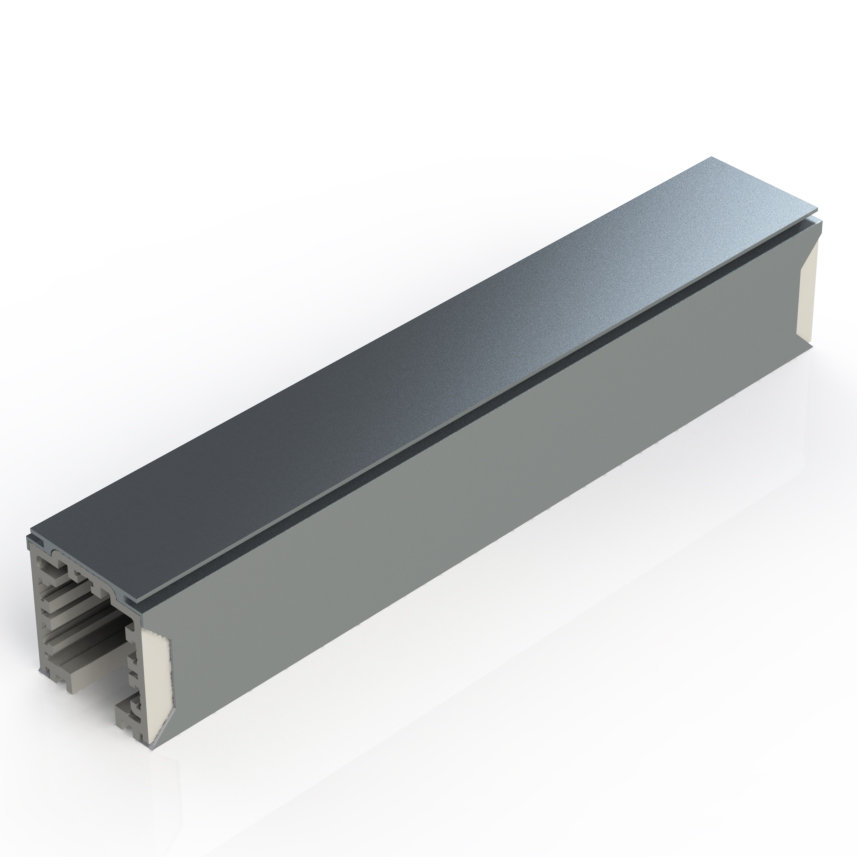
Lighting busbars are installed as a "track" system along walls, ceilings, or floors, allowing power to be supplied to lights without the need for multiple cables. These systems are modular, meaning you can add, move, or modify the lighting setup with minimal disruption to the rest of the infrastructure.
Components of a Lighting Busbar System
Lighting busbars consist of several essential components that make up the system. These include:
Busbars: These are the main conductors that carry the electrical current.
Insulating Layers: These provide insulation to keep the system safe from external elements like moisture and heat.
Conductive Strips: Made of copper or aluminum, these strips help in efficient power transmission by minimizing energy loss.
Modular Design: The system is designed to be modular, making it easy to extend or modify as needed.
Connection Points: These allow for the distribution of power to multiple devices or fixtures.
These components work in harmony to ensure that electricity is delivered safely and efficiently while providing flexibility and ease of maintenance.
How Lighting Busbars Work
Lighting busbars operate by providing a centralized path for electricity to flow from the main power source to various lighting fixtures. Unlike traditional systems where wires are connected to each light, lighting busbars offer flexibility by allowing fixtures to be attached anywhere along the busbar. This allows for easy relocation of lights without re-wiring.
The main advantage of using lighting busbars over traditional wiring is the reduction of energy loss. By using fewer wires and ensuring a direct path for electricity, voltage drops are minimized, maintaining optimal lighting performance.
Key Benefits of Using Lighting Busbars
Improved Energy Efficiency
Lighting busbars offer significant energy efficiency compared to traditional wiring systems. With fewer wires involved, energy loss is reduced, ensuring that more of the electricity is used to power lights rather than being wasted through heat dissipation in long wire runs. Additionally, busbars help maintain steady voltage, ensuring that lights remain bright and efficient.
Simplified Installation and Maintenance
One of the most compelling advantages of lighting busbars is their ease of installation. Traditional wiring systems often require extensive labor to route and connect individual wires. Lighting busbars, however, are modular, meaning components can be quickly snapped together to form a functional system. This makes the installation process much faster—sometimes up to 50% quicker than traditional wiring.
Maintenance is also simpler, as the modular design allows for easy adjustments, repairs, or upgrades. You don’t need to dismantle walls or ceilings to fix or replace parts, saving both time and money.
Flexibility and Scalability
Lighting busbars are incredibly flexible. The system’s modular design means that you can easily add or move lighting fixtures as your needs change. Whether you’re expanding a commercial space or redesigning a room in your home, lighting busbars allow you to modify your lighting setup without rewiring the entire system.
For businesses, this flexibility is key. As your lighting needs grow, you can simply add more fixtures or shift them to new locations, making lighting busbars ideal for adaptable spaces like office buildings, factories, and retail stores.
Safety and Durability of Lighting Busbars
Insulation and Grounding for Safety
Safety is a top priority in any electrical system, and lighting busbars are designed with several safety features in place. Insulating layers prevent electrical shorts and protect the system from environmental hazards such as moisture and heat. Grounding busbars ensure that any excess electricity is safely diverted into the ground, reducing the risk of electrical shock or fire.
Additionally, busbar systems are equipped with circuit breakers and fuses, which act as protective devices that disconnect the system in case of a fault, preventing damage to both the system and its surroundings.
Tip: Always ensure that the lighting busbar system you choose has appropriate insulation and grounding to meet safety standards.
Heat Management and Overload Protection
Lighting busbars are built to handle higher currents with minimal heat buildup. The materials used, such as copper or aluminum, are excellent conductors that help dissipate heat efficiently. Additionally, the busbar’s design allows heat to be dispersed evenly across the system, preventing overheating.
To further enhance safety, lighting busbars often include overload protection features such as surge protectors and overload relays that detect and interrupt electrical surges, protecting both equipment and people from potential hazards.
Long-Term Durability
Durability is a major advantage of lighting busbars. Made from robust materials like copper and aluminum, these systems are resistant to wear, corrosion, and environmental damage. This ensures a long lifespan with minimal maintenance, making them ideal for installations in both commercial and industrial settings, where durability is critical.
Applications of Lighting Busbars
Commercial Spaces
Lighting busbars are ideal for use in large commercial buildings such as malls, office complexes, and shopping centers. They provide a compact and efficient solution for power distribution, allowing easy control over lighting systems while saving space and reducing installation time.
Industrial Areas
In factories and industrial environments, lighting busbars are especially beneficial. These systems can handle higher power loads, distribute electricity evenly across large areas, and allow for future modifications without extensive re-wiring. Their durability and safety features make them well-suited to high-demand environments.
Residential Use
Lighting busbars are increasingly being used in residential buildings, particularly in apartments or homes with limited space for traditional wiring. The flexibility of the system allows homeowners to add or move lighting fixtures without major renovation, making it a convenient option for modern living spaces.
Retail Settings
In retail environments, flexibility and adaptability are key. Lighting busbars allow store owners to easily adjust lighting to highlight displays, create ambiance, or respond to changing store layouts. Their modular design makes it quick and cost-effective to adapt lighting configurations as business needs evolve.
Types of Lighting Busbar Systems
Single-Phase Systems
Single-phase lighting busbars are designed for low-power applications, such as residential homes or small shops. They are typically used for circuits with lower energy requirements, such as lamps and small appliances.
Three-Phase Systems
For larger spaces or industrial applications, three-phase lighting busbars are ideal. They provide higher power capacities, making them suitable for commercial buildings, factories, and warehouses where more electricity is needed to run heavy machinery or large lighting arrays.
Surface-Mounted vs. Recessed Systems
Surface-Mounted Systems: These systems are easy to install and maintain, often used in places like warehouses and parking lots. They allow for easy access to the system, making them ideal for spaces that need frequent changes or maintenance.
Recessed Systems: These systems are hidden within ceilings or walls, offering a clean, aesthetic look. They are typically used in homes and offices where visual appeal is important, and where space-saving solutions are necessary.
| Feature | Description |
| What is a Lighting Busbar? | A central electrical distribution system for supplying power to lighting fixtures, offering a more organized and flexible solution than traditional wiring. |
| Key Benefits | Energy efficiency, simplified installation, flexibility for future changes, and improved safety features. |
| Main Components | Busbars, insulating layers, conductive strips, and connection points for modular power distribution. |
| Energy Efficiency | Reduces energy loss with fewer wires, maintaining steady voltage to reduce energy waste. |
| Installation & Maintenance | Faster installation than traditional wiring, with a modular design for easy maintenance and upgrades. |
| Applications | Suitable for commercial spaces, industrial areas, residential use, and retail settings. |
| Types of Systems | Single-phase systems for low power, three-phase systems for high power, surface-mounted, and recessed options. |
| Cost Efficiency | Higher upfront cost but long-term savings due to reduced installation time and low maintenance. |
How to Choose the Right Lighting Busbar System
Factors to Consider
When selecting a lighting busbar system, consider factors such as the power requirements of your space, available space for installation, and your future expansion needs. Understanding these parameters will help you choose the right system that can meet both current and future demands.
Compatibility with Existing Infrastructure
Ensure that the lighting busbar system you select integrates well with your existing electrical setup. Whether it's upgrading a commercial building or retrofitting a residential space, compatibility is key to avoiding costly rewiring or infrastructure changes.
Cost-Effectiveness and ROI
While lighting busbars may involve a higher initial cost compared to traditional wiring systems, their long-term benefits—such as reduced installation time, lower maintenance costs, and improved energy efficiency—make them a smart investment.
Conclusion
Lighting busbars provide significant benefits over traditional wiring, such as improved energy efficiency, easier installation, and greater flexibility. They are a versatile and safe solution for commercial, industrial, and residential spaces. Incorporating lighting busbars into your projects ensures a reliable, long-term lighting setup.
When choosing a lighting busbar, make sure it complies with safety standards and integrates smoothly with your current infrastructure. For quality solutions, consider Wenzhou Hongmao, known for their high-performance lighting busbars that deliver lasting value.
FAQ
Q: What is a lighting busbar?
A: A lighting busbar is a central electrical distribution system that supplies power to lighting fixtures and devices, offering a more organized and flexible solution than traditional wiring.
Q: How does a lighting busbar work?
A: A lighting busbar carries electrical current through its conductors, distributing power to multiple fixtures. It’s modular, making it easy to add or move lights.
Q: Why should I choose a lighting busbar over traditional wiring?
A: Lighting busbars reduce energy loss, simplify installation, and provide flexibility for future changes or expansions, making them a cost-effective and efficient solution.
Q: What are the main advantages of lighting busbars?
A: Key benefits include energy efficiency, faster installation, scalability, and safety features like insulation and grounding.
Q: How much do lighting busbars cost?
A: While lighting busbars have a higher upfront cost, they save money in the long run through faster installation and lower maintenance needs.

